KneeTex

KneeTex is a project that explores how technical textiles can support and optimize the healing process of knee injuries through objective data, rather than relying solely on subjective patient interviews. To explore user needs, I collected insights from scientific papers and articles on both smart and non-smart orthotic support systems and visualized the relevant aspects. The goal was to create concrete reference images to use during interviews with users and professionals. These visuals served as effective conversation guides and made it easier to evaluate which aspects an orthopedist or orthopedic technician focused on during discussions.

main image
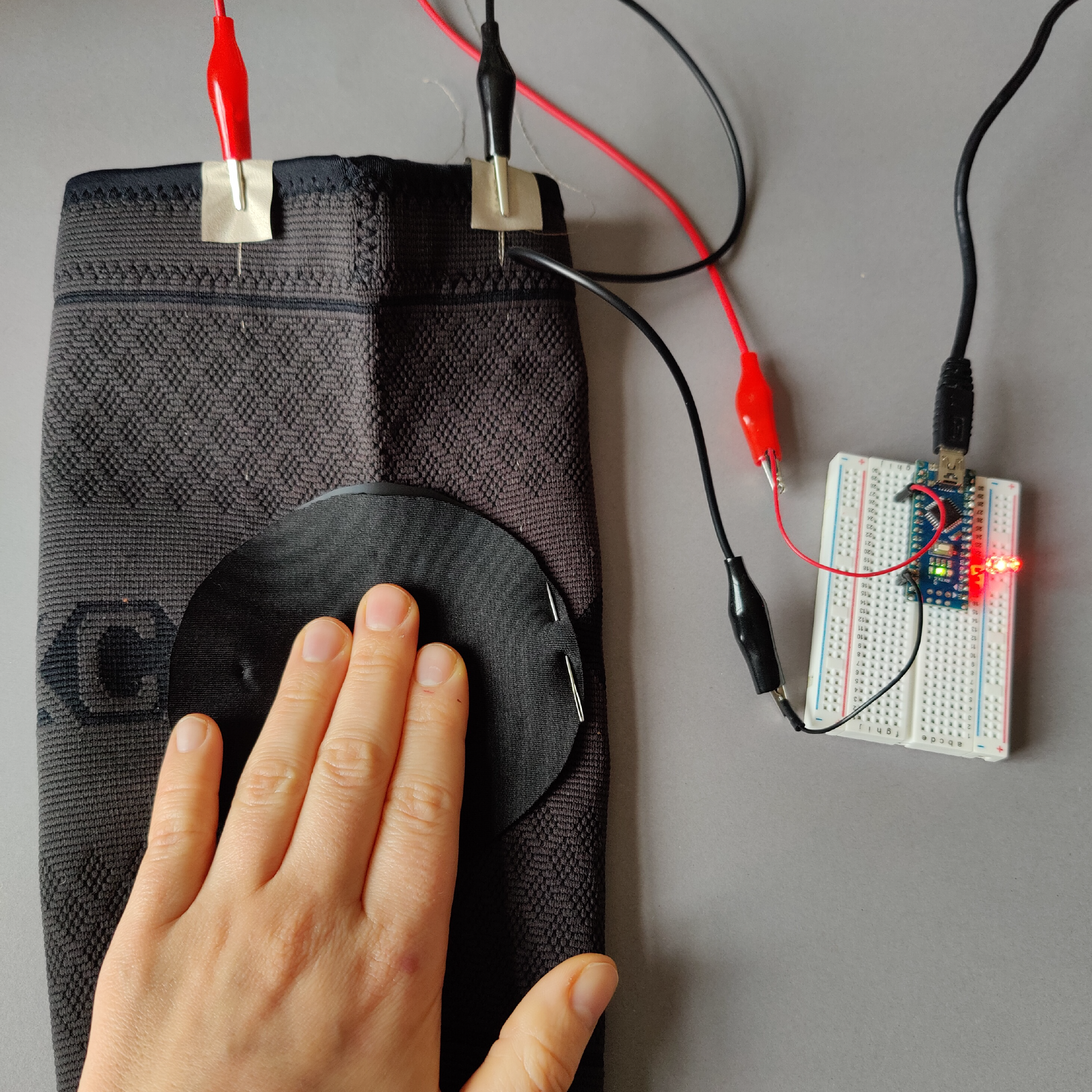
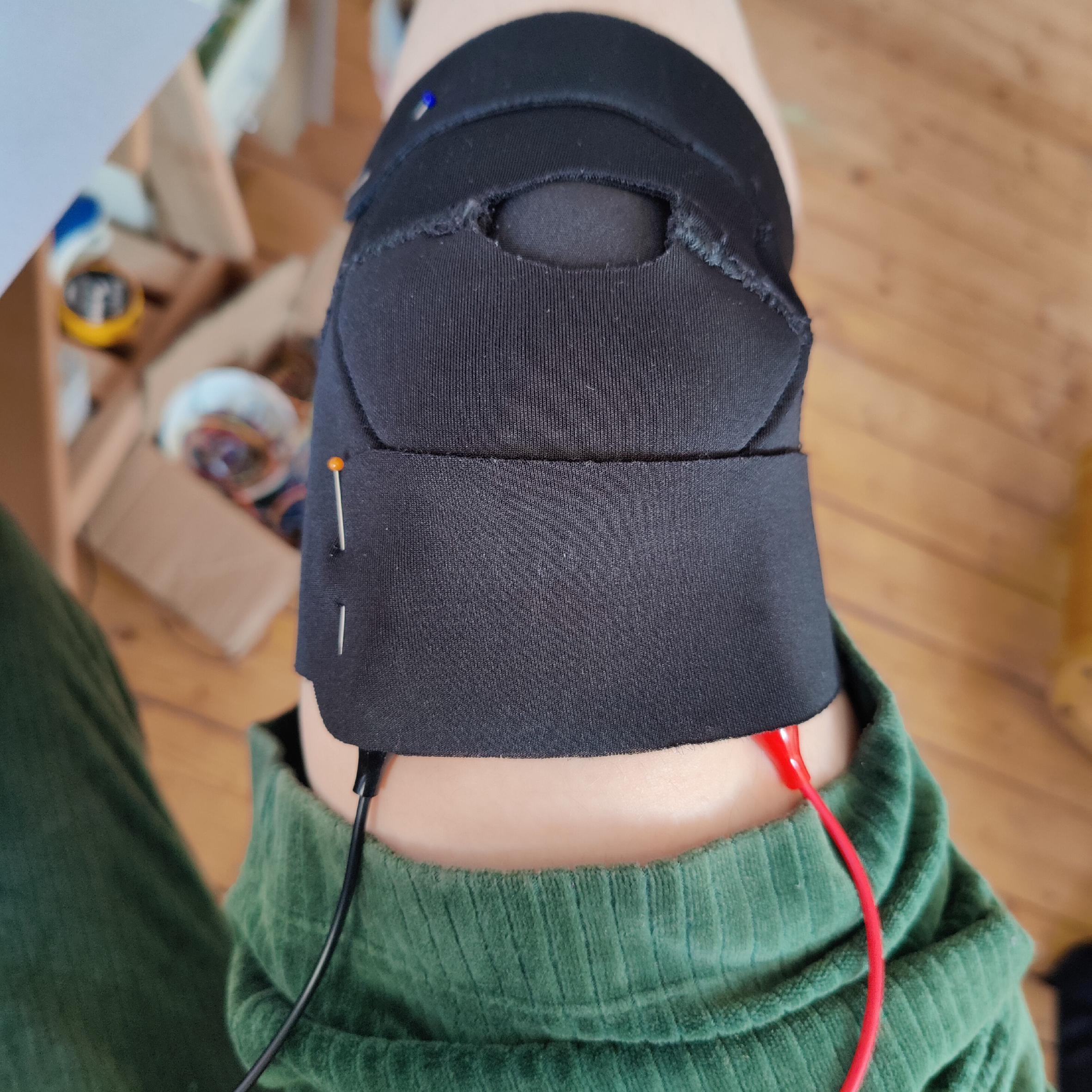
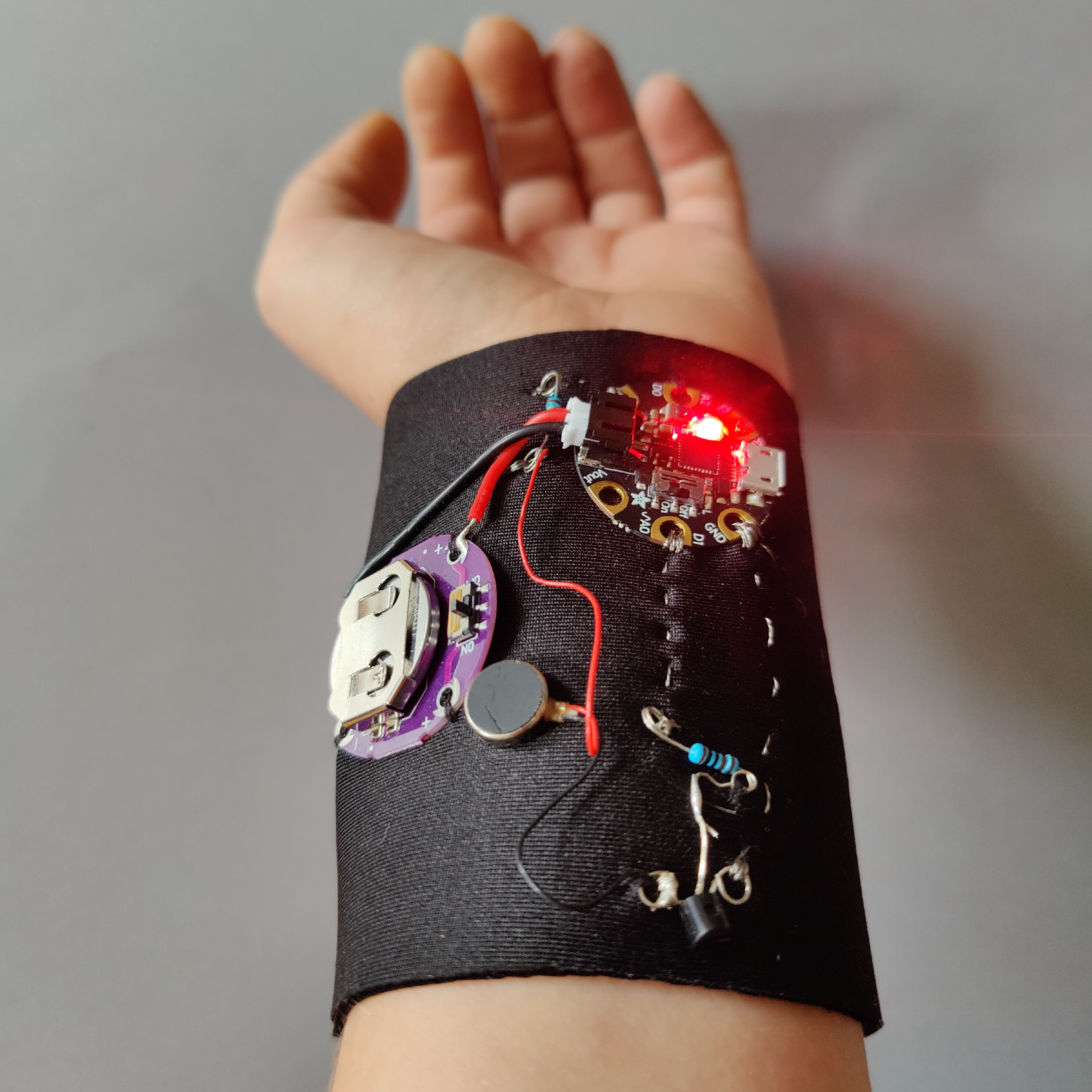
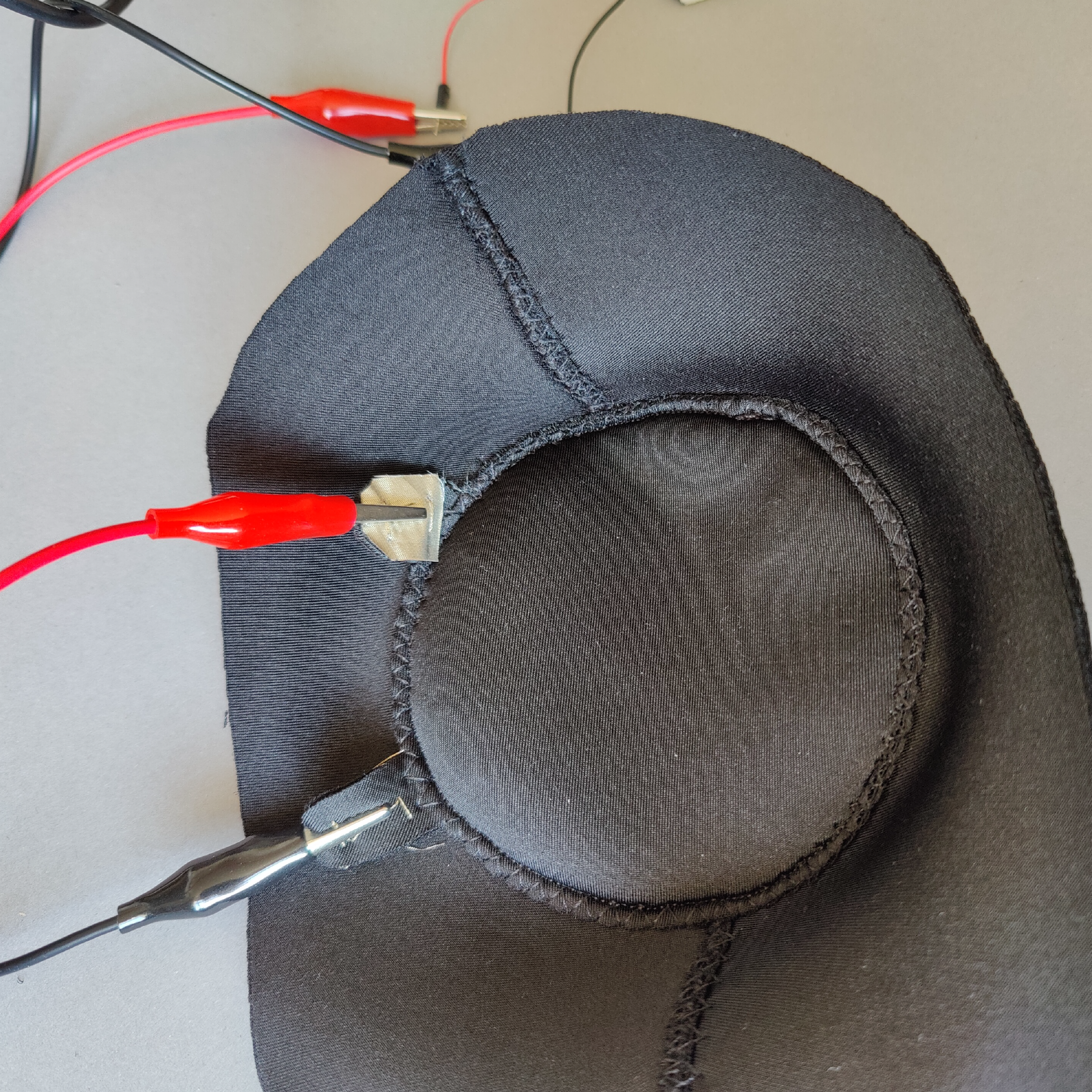
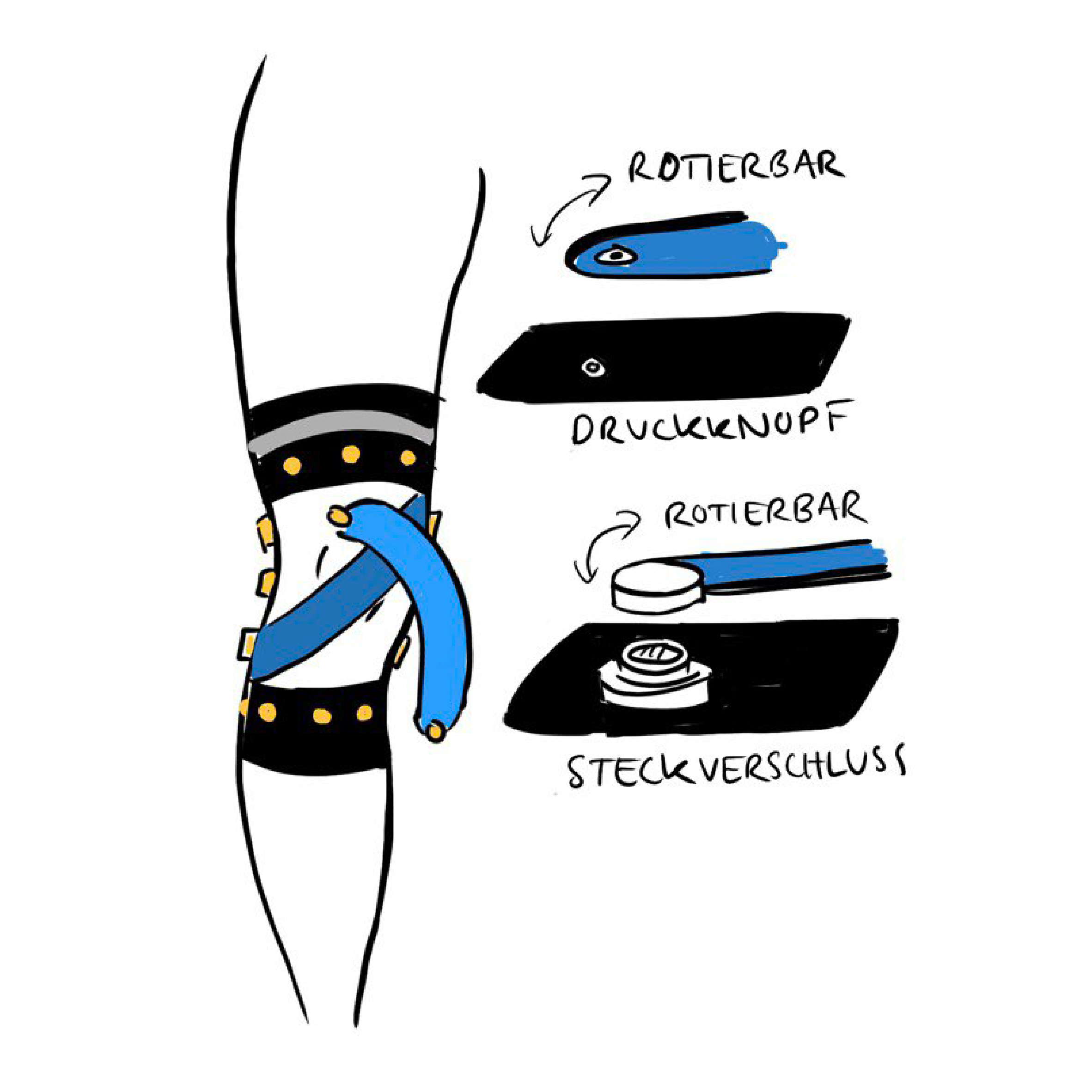
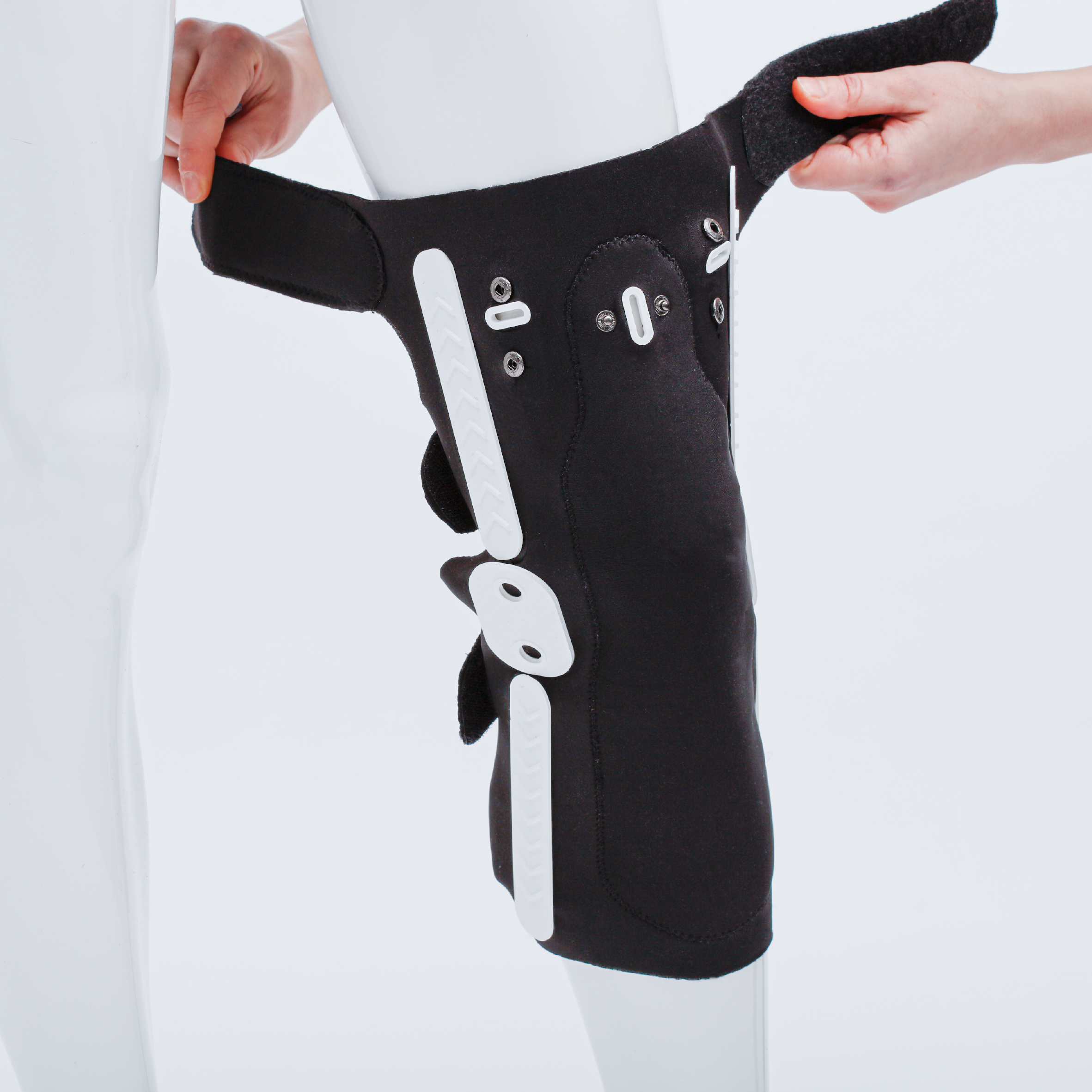
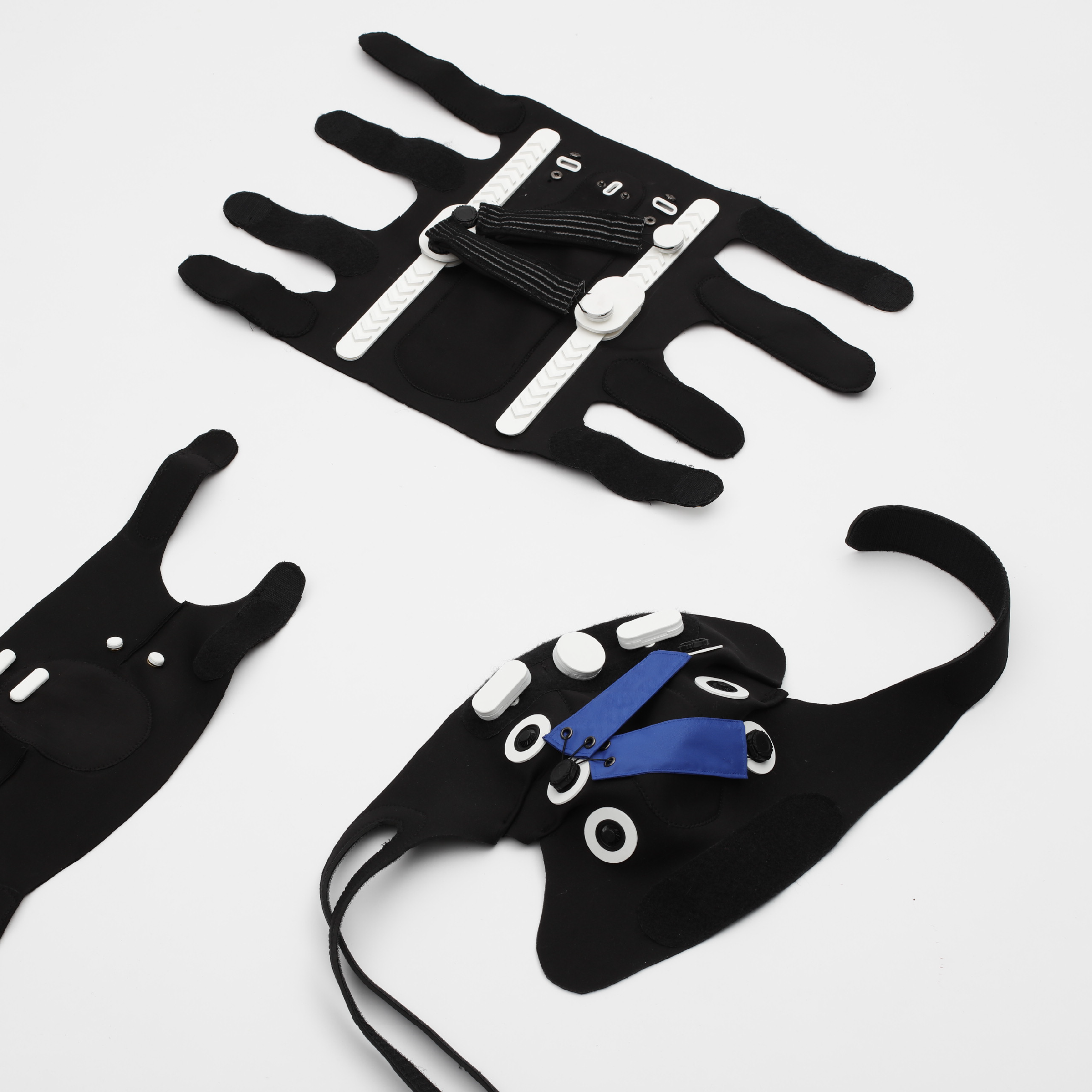
The first prototype marked my initial experience with handcrafted textile sensors and buttons. I created samples of a textile pressure sensor, a textile button, and a bend sensor, and learned how to prototype using an Arduino Gemma in combination with conductive thread and metal components. During the ideation phase, I produced initial sketches to support the thinking process. The modular aspects of an orthosis are particularly appealing to me because technical textiles are difficult to wash, tend to wear out more quickly, and may require repair. In addition, as an injury heals, different levels of support may be needed, so a modular system can adapt and grow with changing requirements. The pattern was a first draft, informed by existing orthosis systems and developed with the production process in mind. For me, it was especially important to keep the back of the leg free, as this area often makes wearing an orthosis uncomfortable.
img1
img2
img3
img4
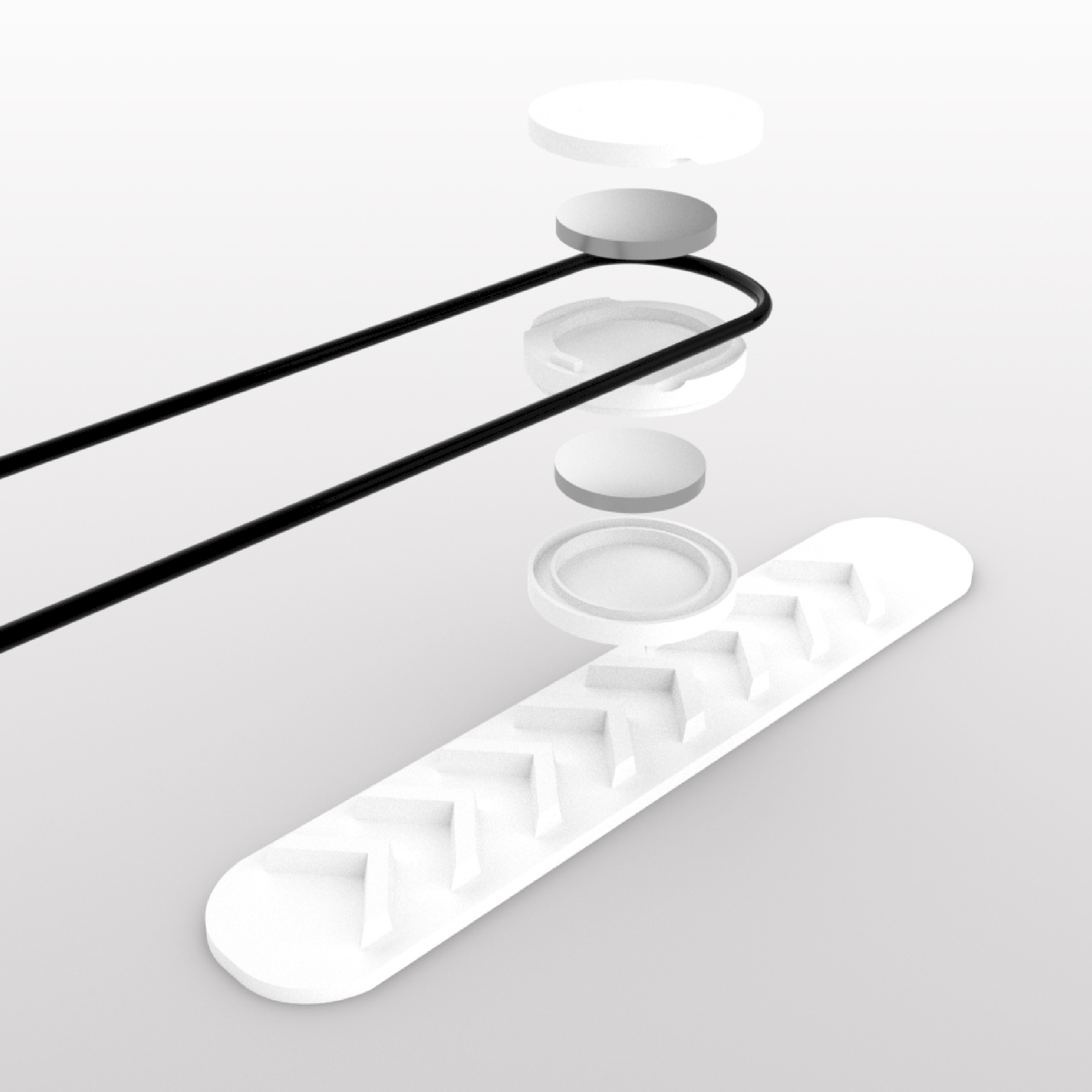
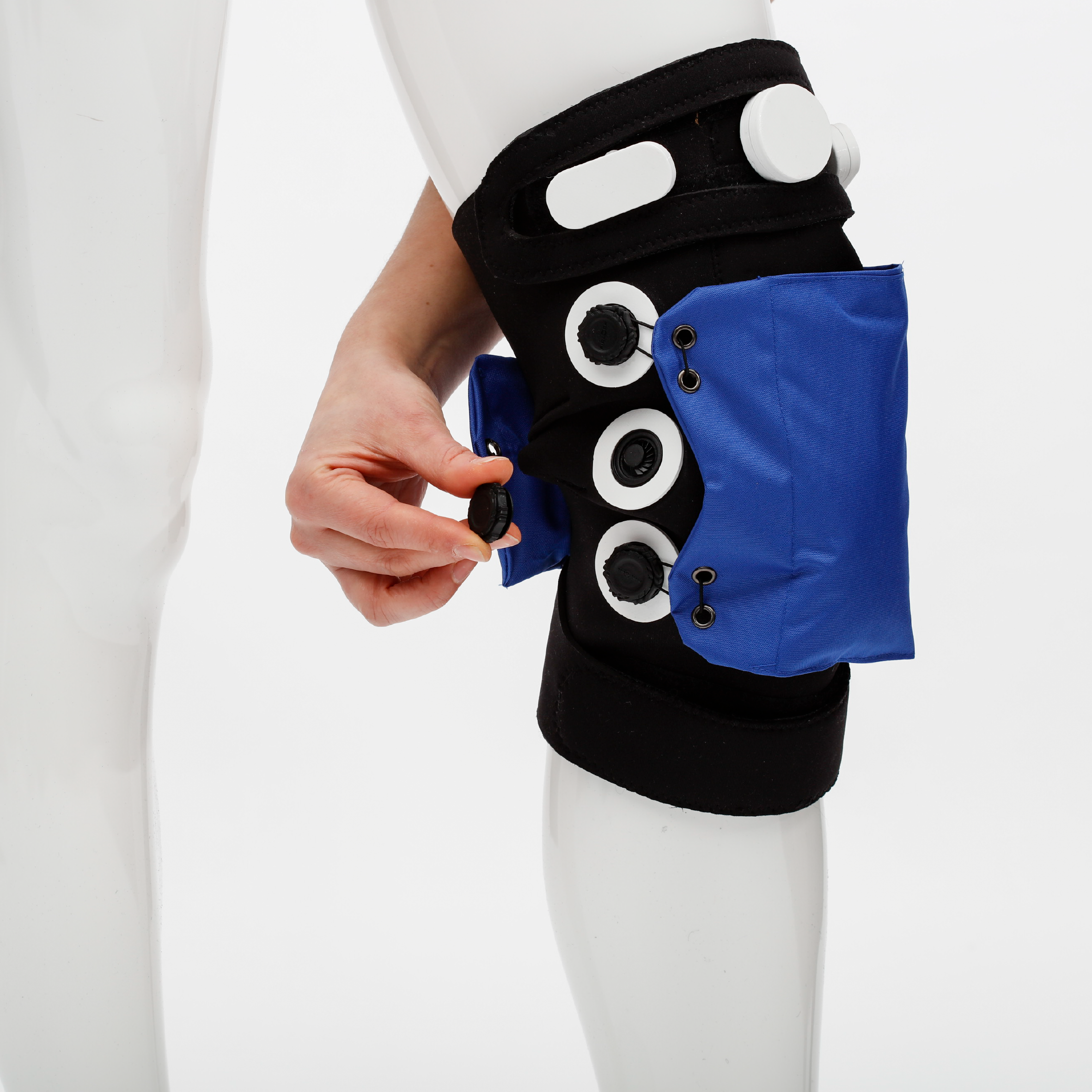
The technical prototype was realized using an Arduino Nano IoT with an embedded accelerometer that can sense the orientation of the board in space. Additional components were integrated to provide vibration and temperature feedback, as well as textile sensors. The graph below illustrates the response of the textile sensor when the knee is bent multiple times. One of my main goals is to create an adaptable system that is highly customizable and adjustable, allowing it to accompany the user throughout the entire healing process. The modularity of this second prototype is achieved through a rigid side support with stackable elements and magnetic fasteners, enabling adjustment for different functional requirements.
img1
img2
The technical prototype was realized using an Arduino Nano IoT with an embedded accelerometer that can sense the orientation of the board in space. Additional components were integrated to provide vibration and temperature feedback, as well as textile sensors. The graph below illustrates the response of the textile sensor when the knee is bent multiple times. One of my main goals is to create an adaptable system that is highly customizable and adjustable, allowing it to accompany the user throughout the entire healing process. The modularity of this second prototype is achieved through a rigid side support with stackable elements and magnetic fasteners, enabling adjustment for different functional requirements.
img1
img2
closing image
Close Terminal E-Mail Download GitHub Alternate GitHub Menu Check Circle Space Shuttle angle-right Warning