Museum of the Future

The Museum of the Future is envisioned as a place that people can use and enjoy regardless of their abilities. Many museums today are primarily visual, which means there is limited content that people without vision can fully experience. I aim to create a museum that is more interactive and touch-based. I am also convinced that visitors with vision can access information in a more engaging way in this type of museum. To address this challenge, my approach for this project was to develop an Arduino-based prototype with custom-made touch sensors. The object responds by playing an audio file when it is touched at a specific spot, indicated by a haptic marker similar to a Braille dot.

main image
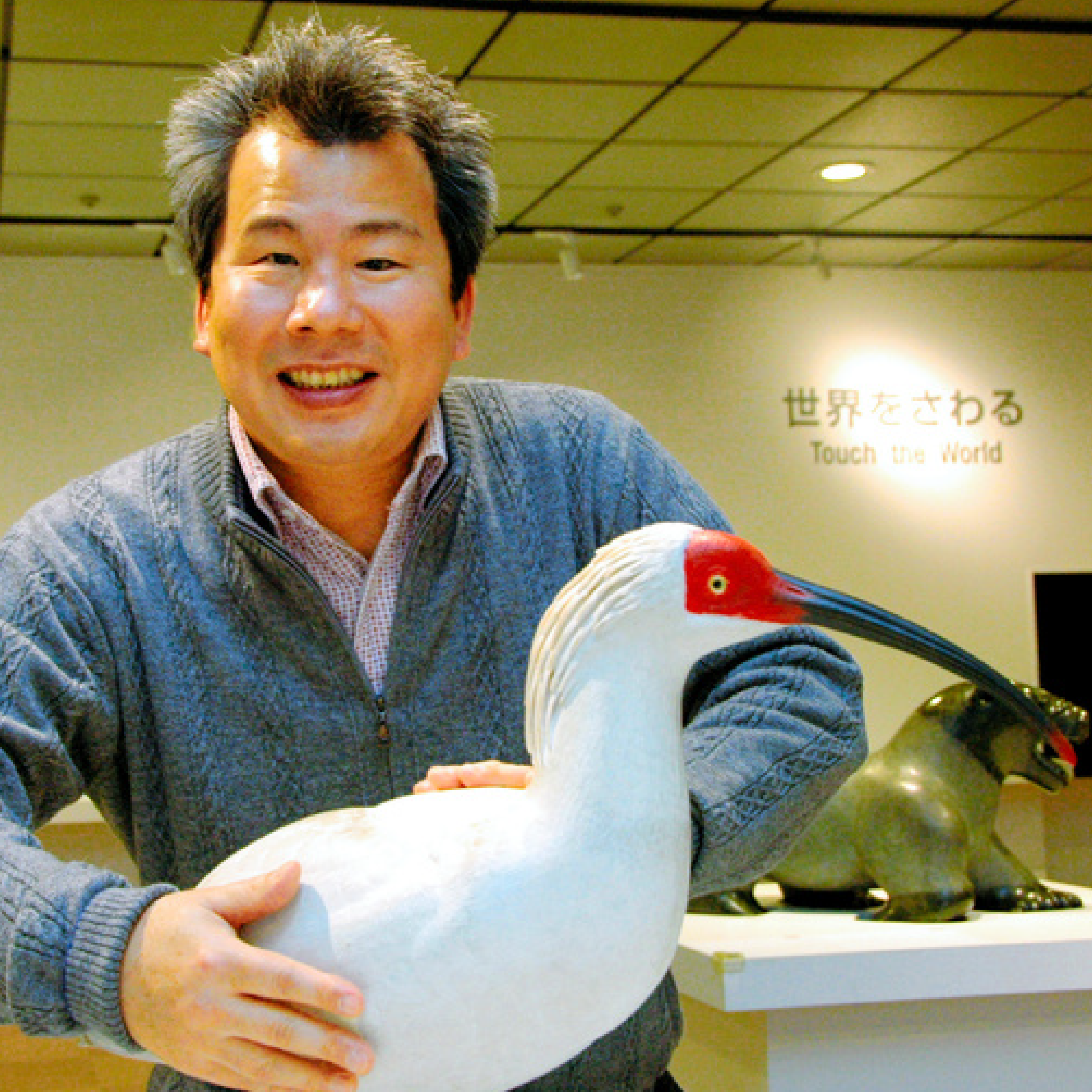
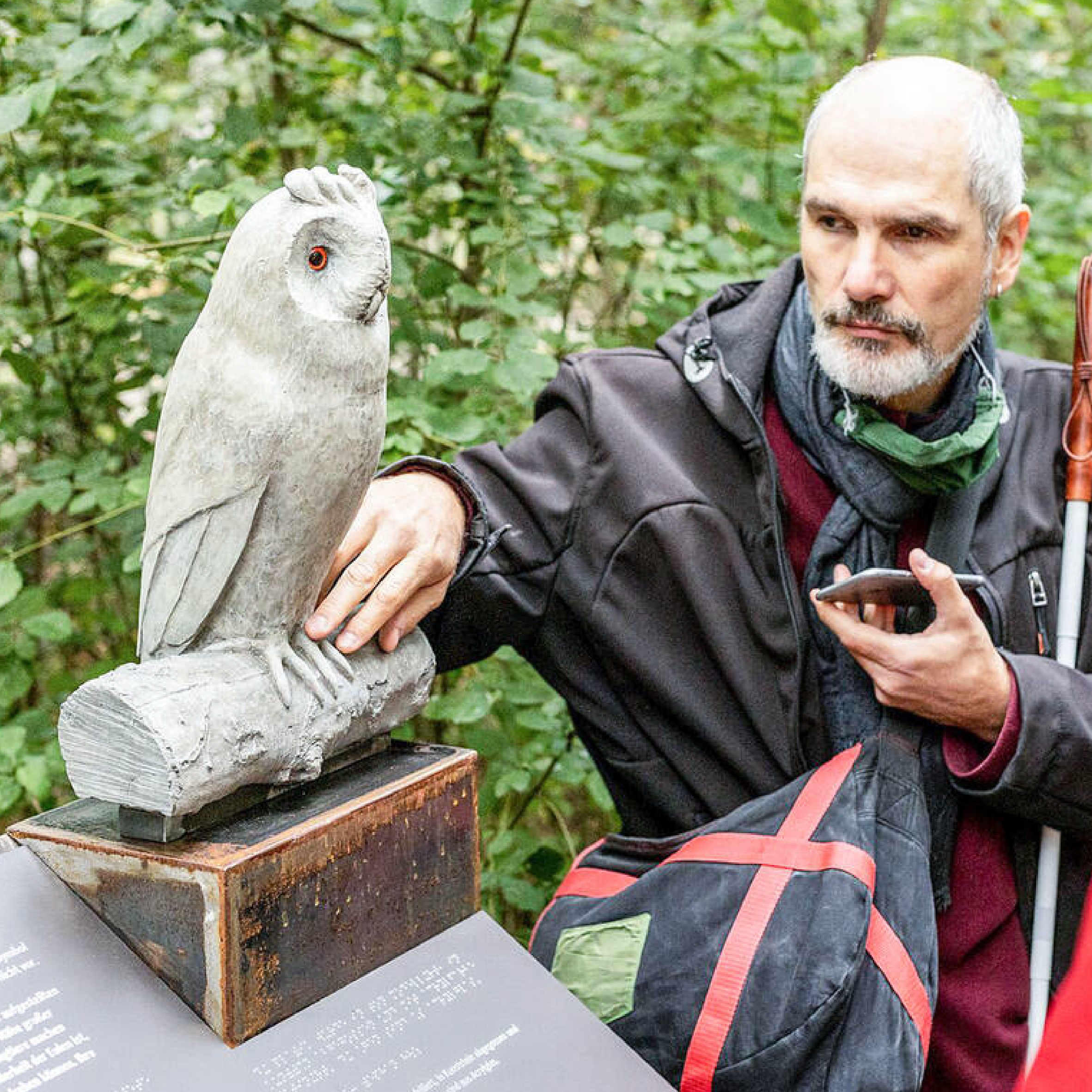
During this project, I collaborated with the German Maritime Museum (DSM) in Bremerhaven and the Museum of Ethnology in Osaka. I had the opportunity to work with visually impaired individuals as well as museum professionals, including Dr. Isabella Hodgson and Dr. Kichiro Hirose. My research focused on developing interactive concepts for visually impaired and blind visitors. A key requirement was that the concept be producible using a 3D printer, allowing the museums to easily reproduce or repair the prototype at any time.
img1
img2
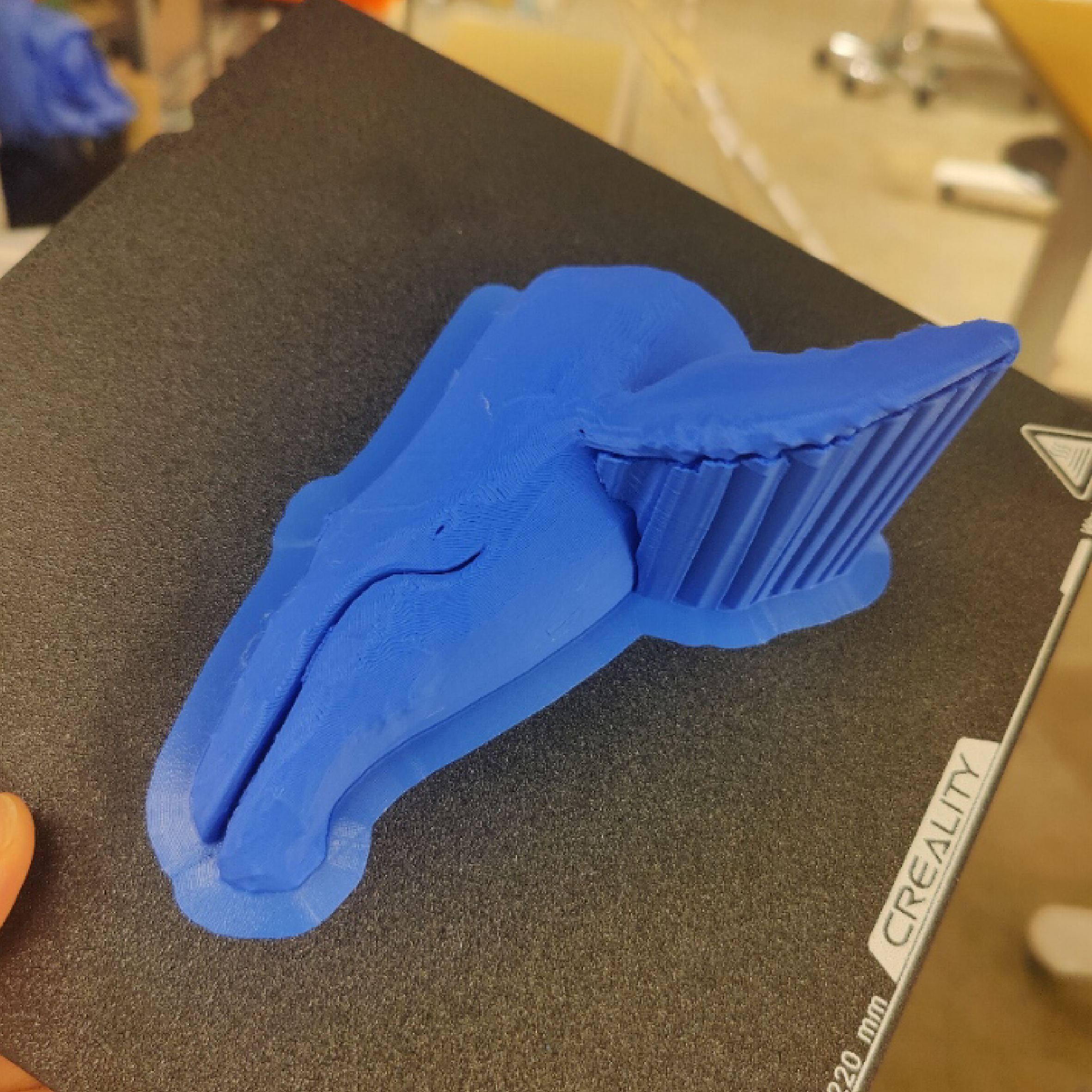
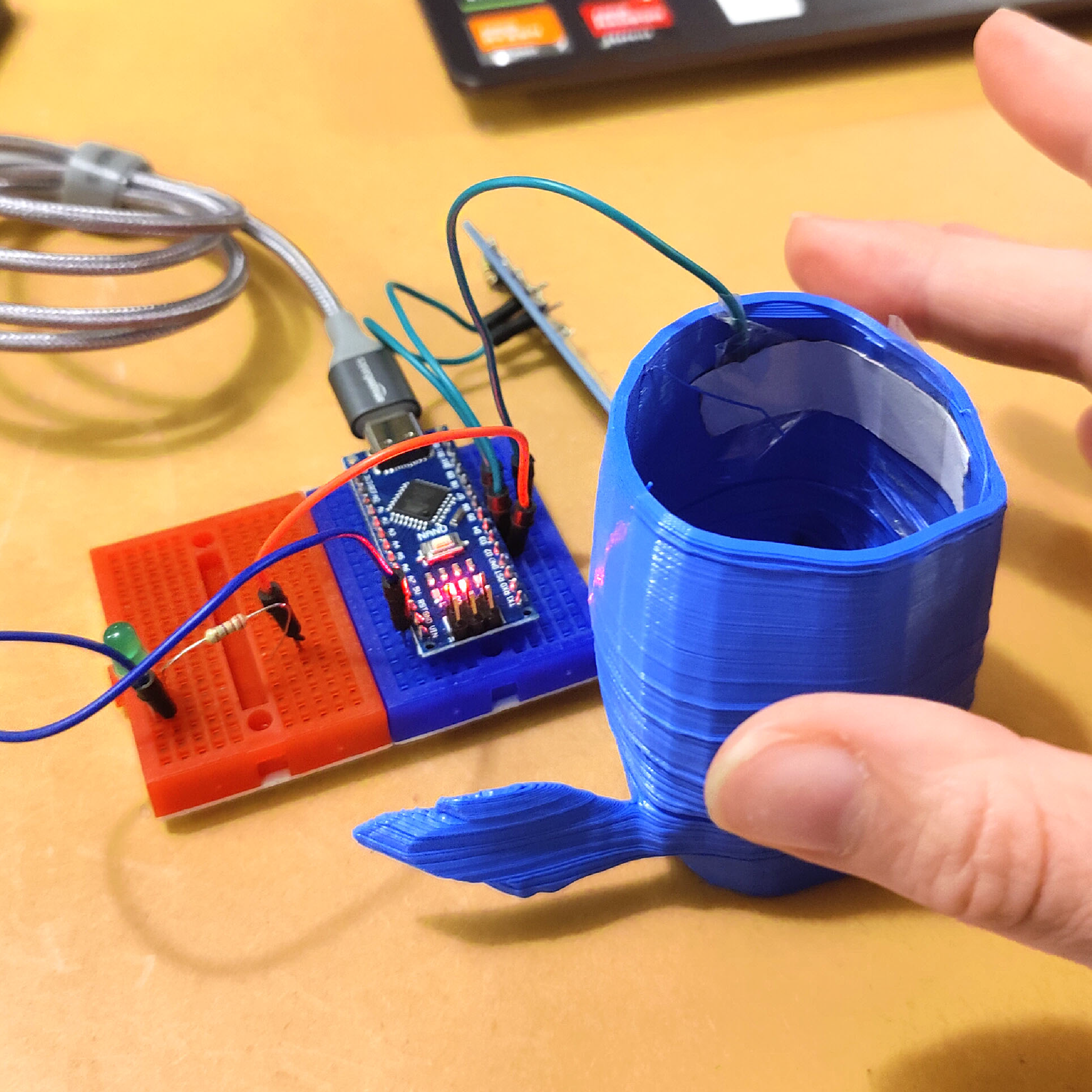
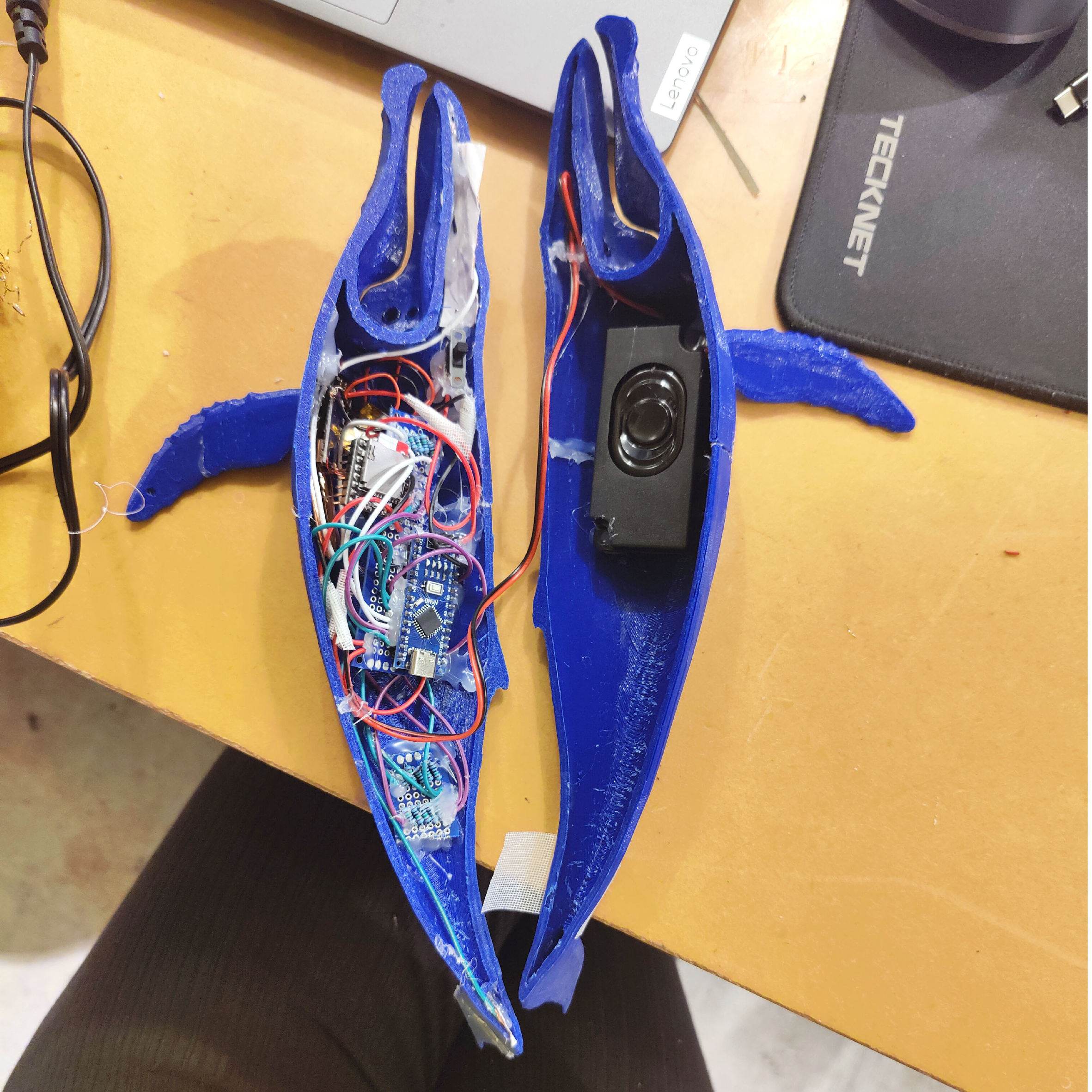
I experimented with custom-made touch sensors that can be concealed inside the whale shell. When the model is touched at specific points, an audio file is triggered. This approach directly links information to precise locations on the model, allowing visitors to understand the content through touch. The process required testing different materials and shell thicknesses, as well as various resistor values in combination with an Arduino Nano.
img1
img2
img2
img2
I experimented with custom-made touch sensors that can be concealed inside the whale shell. When the model is touched at specific points, an audio file is triggered. This approach directly links information to precise locations on the model, allowing visitors to understand the content through touch. The process required testing different materials and shell thicknesses, as well as various resistor values in combination with an Arduino Nano.
Close Terminal E-Mail Download GitHub Alternate GitHub Menu Check Circle Space Shuttle angle-right Warning